
Chimpanzee Trekking in Kibale
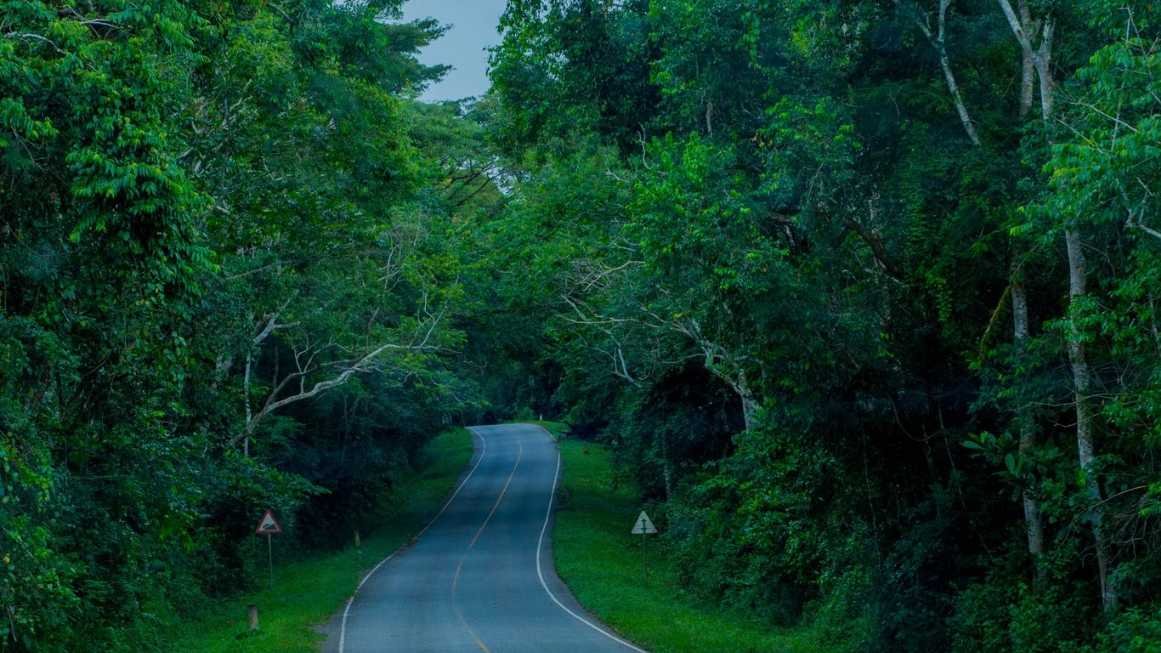
A Complete GuideIf you are planning a wildlife adventure in Western Uganda, you must include a visit to the “Primate Capital of the World.” Kibale National Park contains one of the most beautiful and varied tracts of tropical forest in the country. More importantly, it holds the highest concentration of primates in all of Africa.
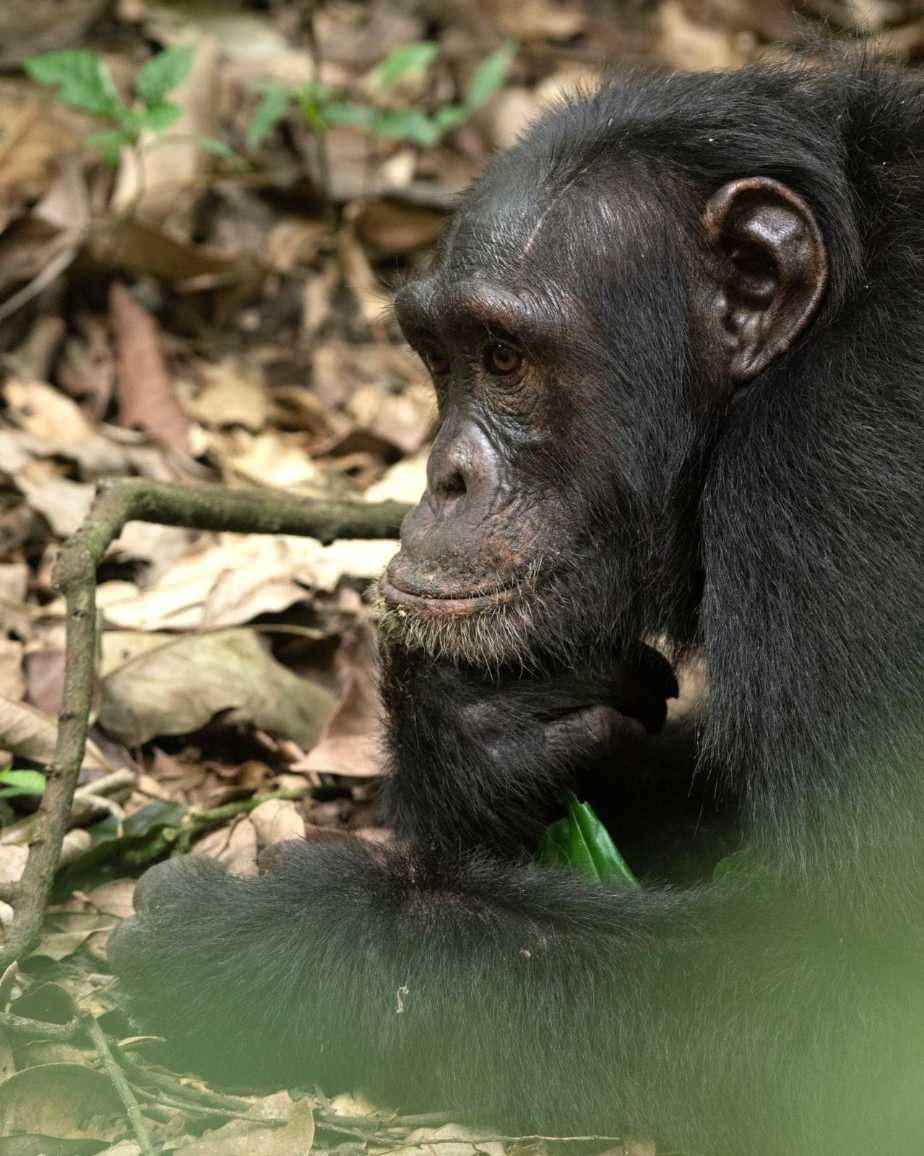
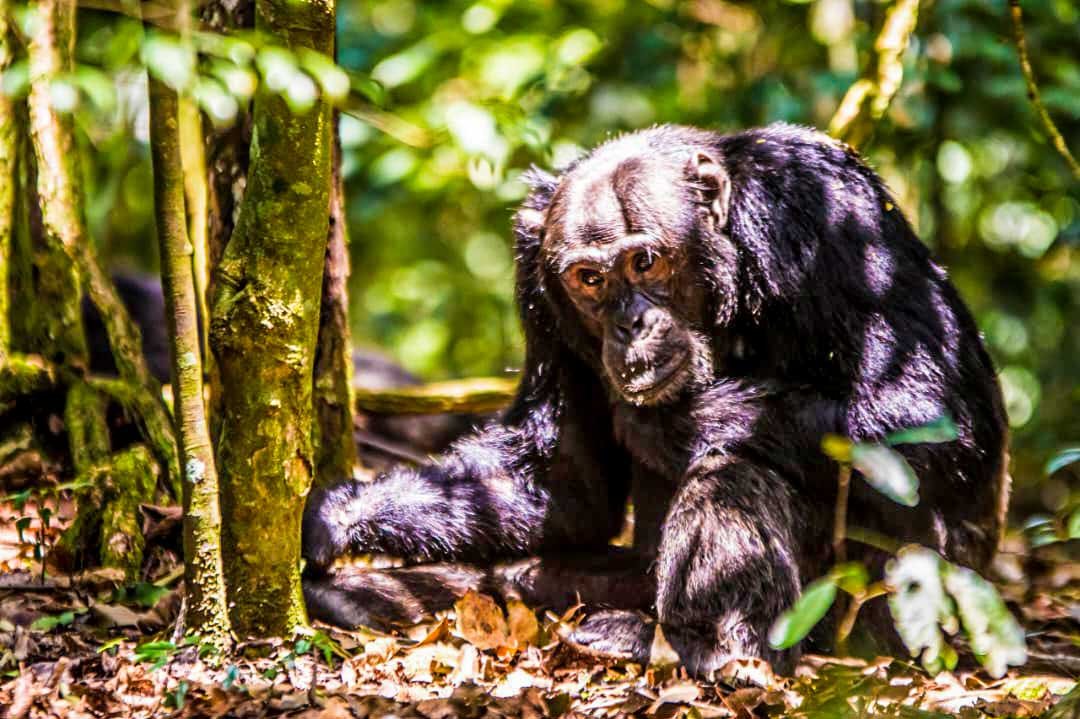
While the park shelters 13 different primate species, the absolute stars of the forest are the wild chimpanzees. Here is your complete guide to chimpanzee trekking in Kibale National Park and everything you need to know for a successful safari.
Why Choose Kibale National Park?
Kibale forest is home to a massive population of over 1,500 chimpanzees. Because researchers have habituated several communities over the decades, your chances of spotting these incredible apes are remarkably high. In fact, Kibale boasts a tracking success rate of over 95 percent.
Beyond the chimpanzees, the forest is a vibrant, noisy ecosystem. While you hike, you will likely encounter the rare red colobus monkey, the black-and-white colobus, and the L’Hoest’s monkey.
What to Expect on the Trek
Your trekking day starts at the Kanyanchu Visitor Centre. You can choose between a morning tracking session or an afternoon session. After a brief orientation from the Uganda Wildlife Authority rangers, you head directly into the dense tropical rainforest.
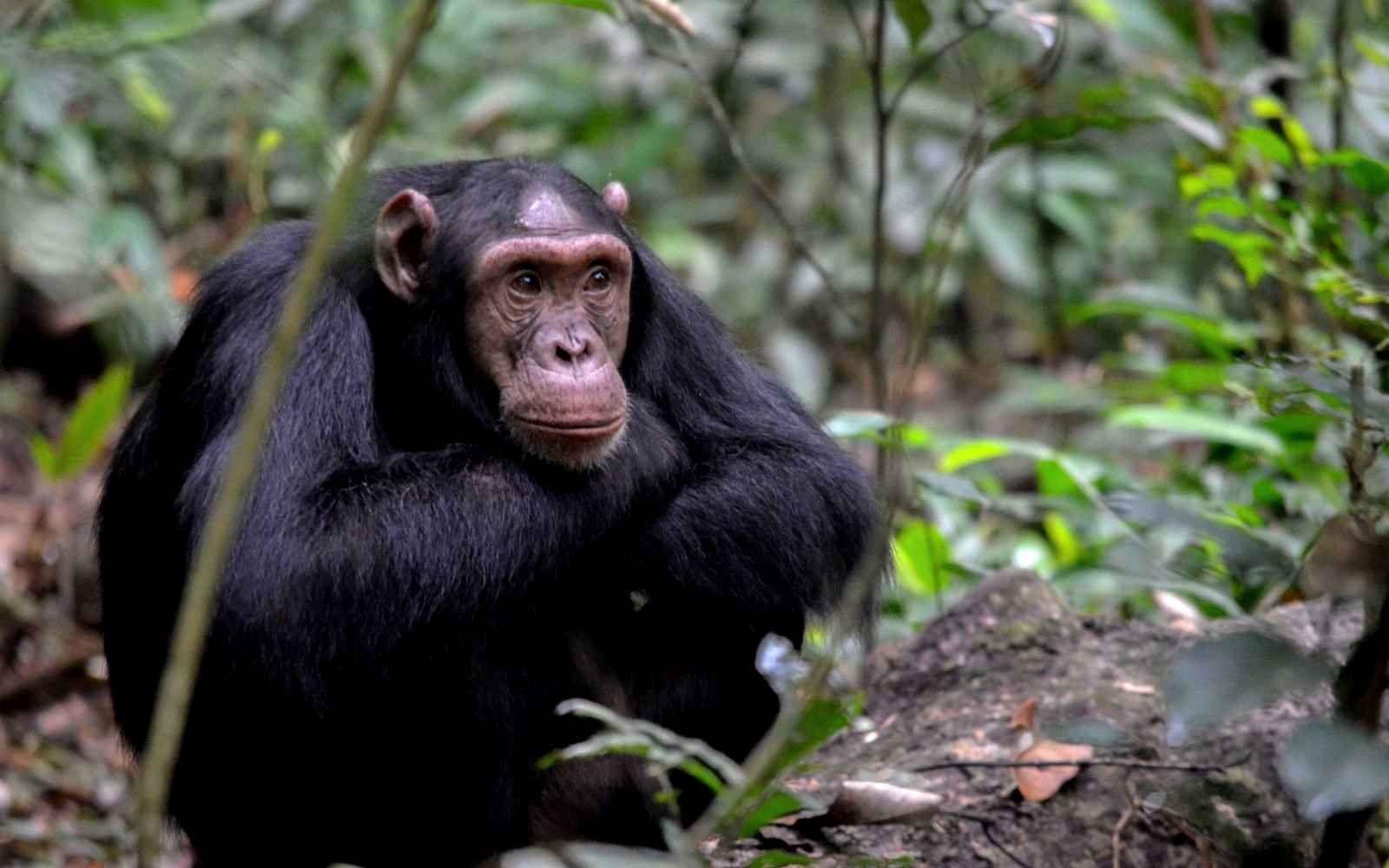
Unlike tracking mountain gorillas, tracking chimpanzees is a fast-paced adventure. Chimpanzees are highly active and frequently move quickly through the high canopy. You will follow your expert guides as they listen closely for the deafening “pant-hoots” echoing through the trees. Once you locate the community, you have one full hour to watch them feed, groom, and play.
The Chimpanzee Habituation Experience
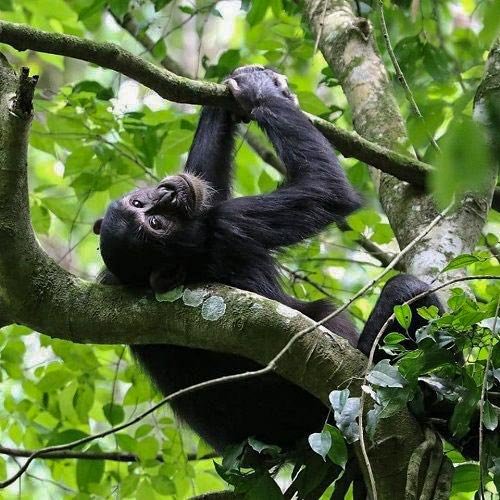
If one hour is not enough for you, Kibale offers an exclusive alternative called the Chimpanzee Habituation Experience. This full-day adventure allows you to join researchers and habituators as they follow a chimpanzee family from the moment they wake up to the time they build their new sleeping nests in the evening.
This option requires higher physical stamina, but it provides a deeply immersive wildlife encounter that few tourists ever experience.
The Best Time to Visit
Because Kibale is a tropical rainforest, rain can fall at any time of the year. However, the best time to trek is during Uganda’s two dry seasons.
Plan your visit between June and August or December and February. The trails are much drier and easier to navigate during these months. Furthermore, the chimpanzees tend to forage lower in the trees when fruits are abundant, giving you better opportunities for clear photography.
Essential Packing List
Proper preparation ensures you enjoy your time in the jungle without distraction. Make sure you pack these essentials:
Footwear
Sturdy, waterproof hiking boots are vital for muddy and uneven forest trails.
Clothing
Always wear a long-sleeved shirt and long trousers. You must tuck your trousers into your socks to prevent safari ants from crawling up your legs.
Gear
Bring a lightweight daypack holding a rain jacket, at least one liter of drinking water, and plenty of insect repellent.
Camera
Carry a camera with a good zoom lens. Chimpanzees often hang high in the canopy, making phone photography difficult.
Add Kibale to Your Uganda Itinerary
Kibale National Park sits just a short drive away from the Rwenzori Mountains and Queen Elizabeth National Park. This convenient location makes it incredibly easy to combine a primate trek with your mountain climbing and savannah game drives.
At Rwenzori Hantravel Safaris, we specialize in crafting seamless, multi-destination itineraries across Western Uganda.
Book Your SafariTell us which primate you are most excited to see in the comments below!