
Geological Wonders
Exploring the Crater LakesOf Western Uganda
Western Uganda boasts some of the most breathtaking landscapes on the continent. Beyond the towering peaks of the Rwenzori Mountains and the vast savannahs, the region is dotted with dozens of stunning crater lakes.
Volcanic eruptions shaped this rift valley landscape thousands of years ago, leaving behind deep basins that eventually filled with water. Today, these crater lakes provide wonderful, off-the-beaten-path adventures for nature lovers. From hiking to the “Top of the World” to listening to ancient local myths, exploring these lakes adds incredible value to any Ugandan safari.
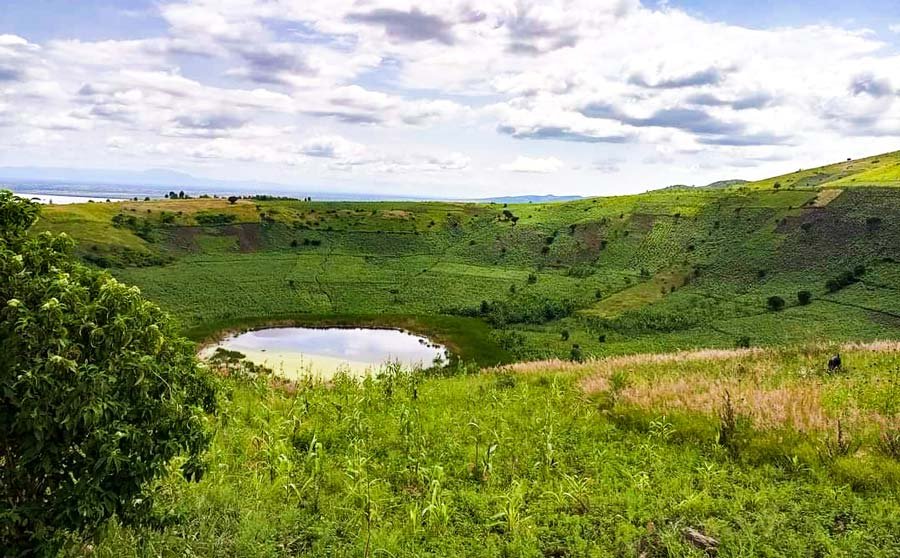
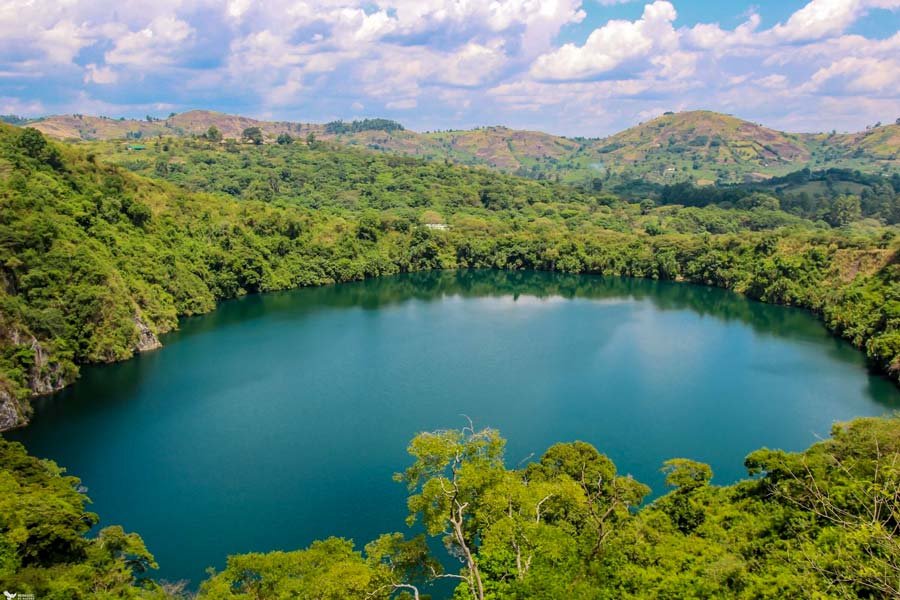
Fort Portal and Ndali-Kasenda Craters
Fort Portal is a scenic town surrounded by rolling hills, tea plantations, and an impressive collection of crater lakes. The Ndali-Kasenda crater field stretches across 15 square kilometers and features over 50 individual craters.
Lake Kigere
Located just northeast of Fort Portal, Lake Kigere offers a fascinating natural design. The lake gets its name because its shape closely resembles a human foot. Visitors usually combine a hike to Lake Kigere with a tour of the nearby Amabere ga Nyina-Mwiru caves.
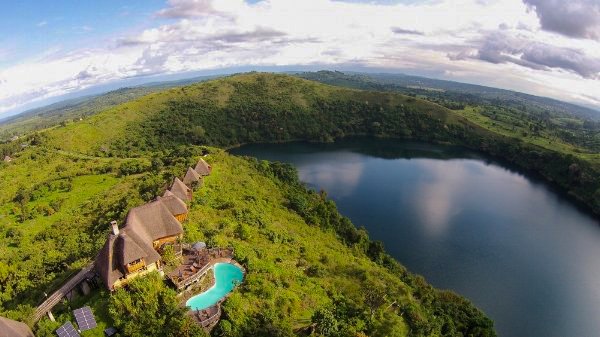
Lake Kyaninga and Lake Nkuruba
If you want striking emerald green waters, Lake Kyaninga is a must-visit destination. The deep basins perfectly reflect the surrounding landscape.
Lake Nkuruba stands out for wildlife enthusiasts because its lush forest shores shelter black and white colobus monkeys, vervet monkeys, and red-tailed monkeys. The entire Ndali-Kasenda area is perfect for mountain biking, bird watching, and guided nature walks.
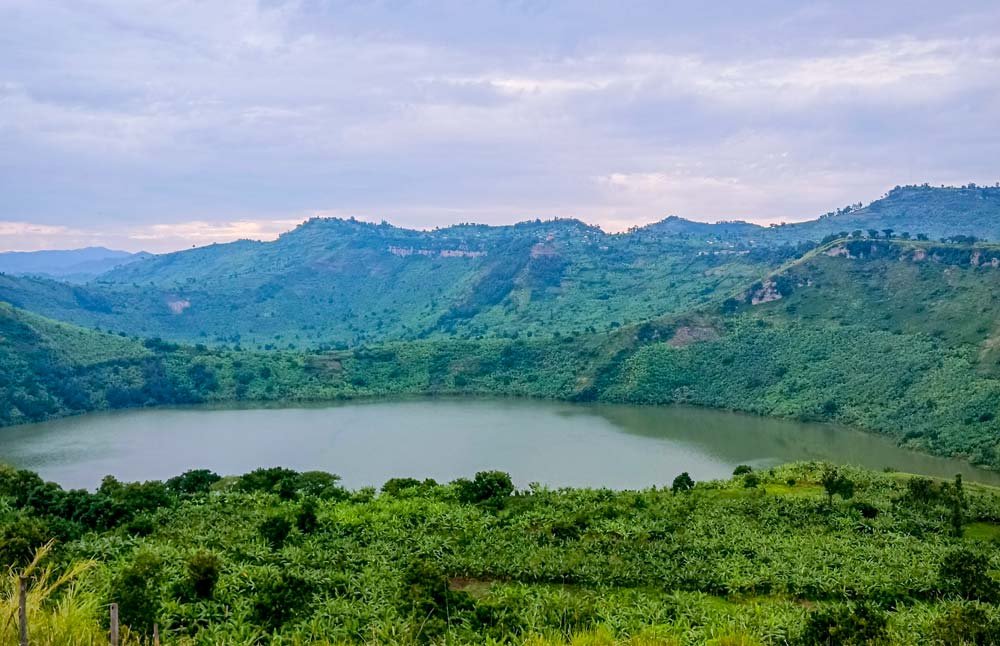
The Bunyaruguru Craters in Bushenyi
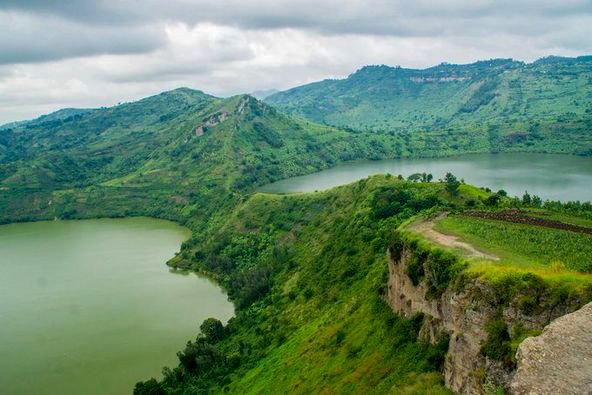
Further south, near the edges of Queen Elizabeth National Park and the Bushenyi district, lies the Bunyaruguru crater field. Locals also call this the Kichwamba crater field because it sits directly on the western rift valley escarpment. This area contains over 20 scenic craters.
Lake Nkugute (Lake Rutoto)
Lake Nkugute is easily visible from the Mbarara-Kasese highway. People often call it Lake Africa because its boundaries naturally form the shape of the African continent. The lake holds deep cultural mystery. The Runyaruguru word “Nkugute” translates to “swallow”. Local legends claim the lake has a violent appetite and traditionally swallowed a young boy and girl every year.
The Twin Lakes
The Bunyaruguru region is also home to several twin lakes, including Lake Kyema and Lake Kamweru.
Exploring these interconnected networks provides endless opportunities for photography and serene nature walks. They offer an incredible, off-the-beaten-path experience away from the heavy tourist crowds.
The Katwe Explosion Craters
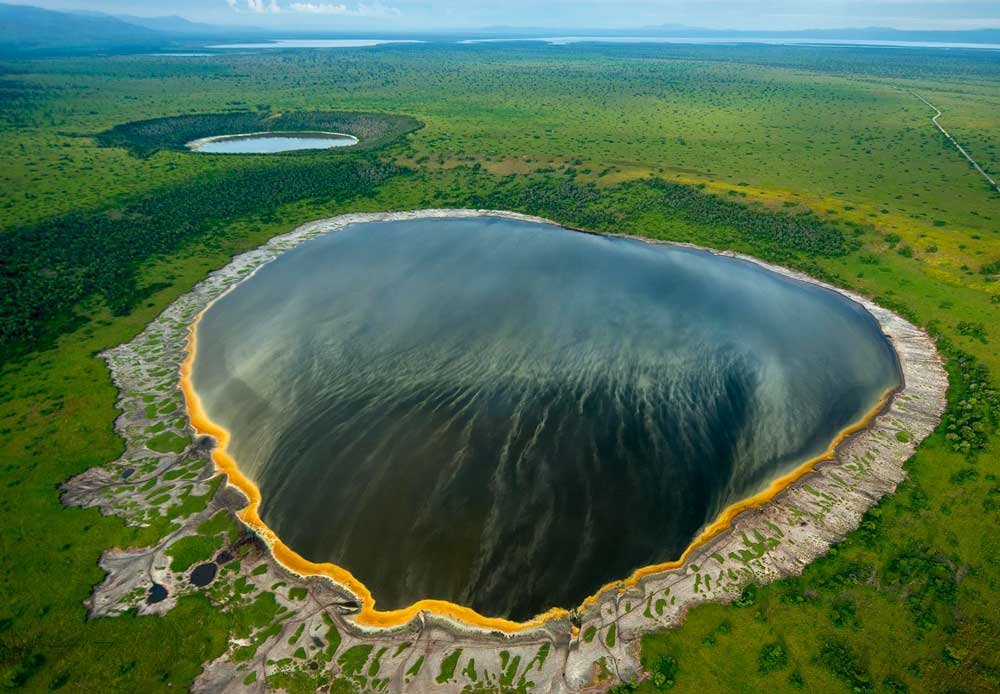
If you are visiting Queen Elizabeth National Park, taking the 27-kilometer crater drive is an absolute necessity. These explosion craters sit in the northern part of the Mweya peninsula.
Lake Katwe
Lake Katwe is the most famous crater in this sector. Because it has streams flowing in but no outlets, the water is highly saline. This lake has served as Uganda’s primary salt distributor for decades. You can watch locals engage in traditional salt extraction methods that have survived for generations. While the salty water cannot support hippos or crocodiles, you will frequently spot elephants, buffaloes, and flamingos roaming the nearby plains and cliffs.
Add Crater Lakes to Your Safari
Visiting the crater lakes perfectly bridges the gap between mountain trekking and savannah game drives. The tranquil environment offers a fantastic way to relax, swim in bilharzia-free waters, and interact with the local communities.
Are you ready to hike the Ndali-Kasenda trails or uncover the mysteries of Lake Nkugute? At Rwenzori Hantravel Safaris, we craft custom itineraries that include these stunning geological wonders.
Plan Your Safari TodayWhich crater lake are you most excited to explore? Leave a comment below!