
Preparing for
The Mountains of the Moon
Success in the Rwenzoris favors the prepared. From essential gear to travel logistics, here is everything you need to know before your ascent.
Essential Gear
The terrain is wet, muddy, and cold. Below are the critical items. Note: Hover over cards to see details.
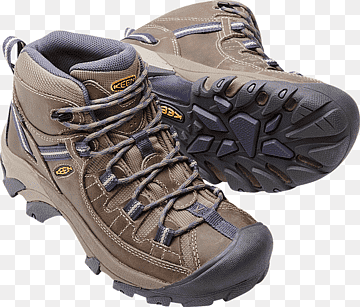
Hiking Boots
High-cut with ankle support. Gore-Tex essential.
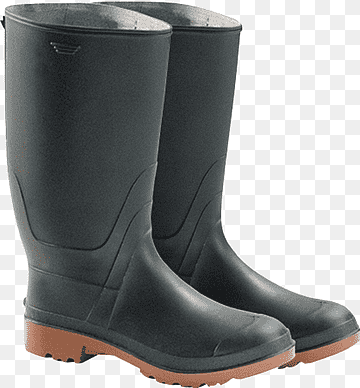
Gumboots
Critical. For lower bogs.
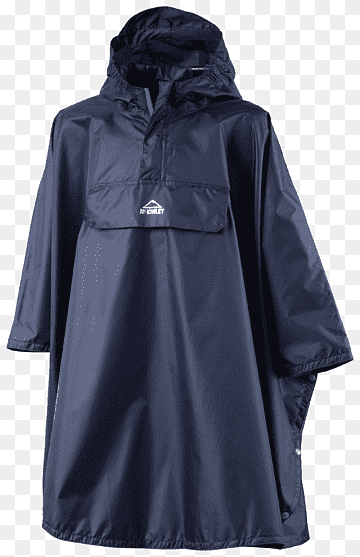
Rain Poncho
Heavy-duty poncho covering backpack.
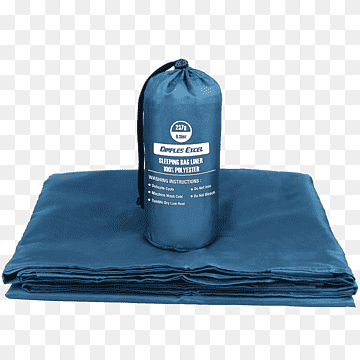
Sleeping Bag
Rated 0°C to -5°C (32°F). Nights are cold.
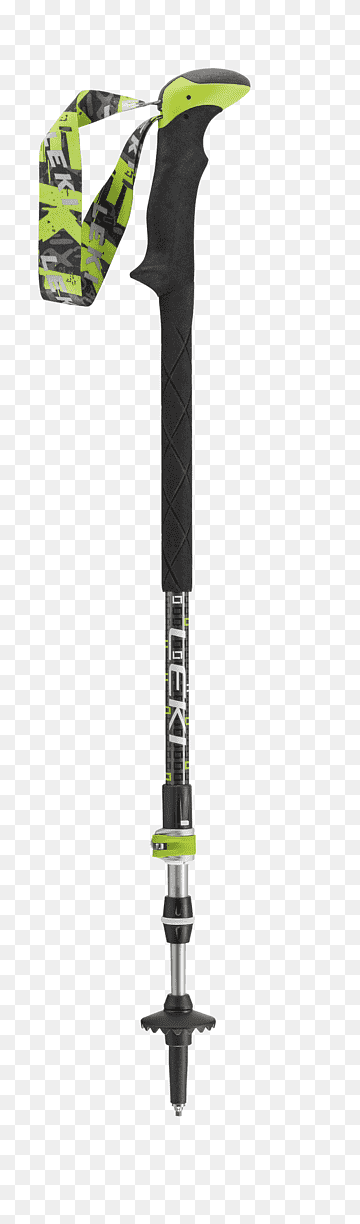
Trekking Poles
Vital for balance on slippery wooden walkways.
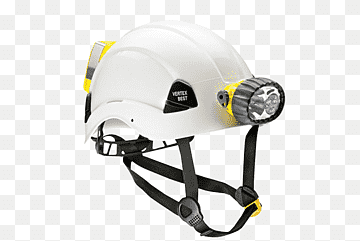
Headlamp
Essential for summit push (3 AM).
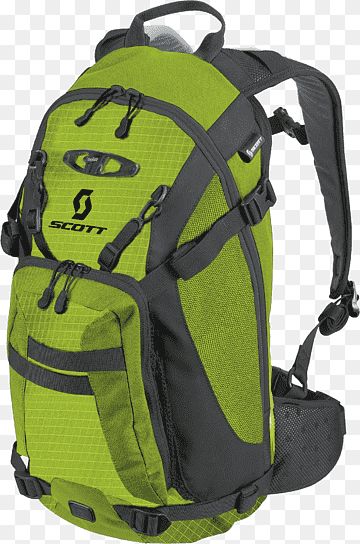
Backpack (35L)
Carry daily items. Porters carry duffel.
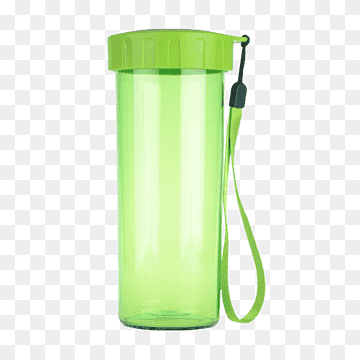
Hydration
2-3L capacity. Bring purification tablets.
Need gear? We offer rentals at our base camp.
Best Time to Visit
Seasons of the Mountain
The Rwenzoris can be trekked year-round, but the experience varies greatly. The “Dry Seasons” offer clearer views and easier trails, while the “Wet Seasons” offer solitude and lush greenery, albeit with more mud.
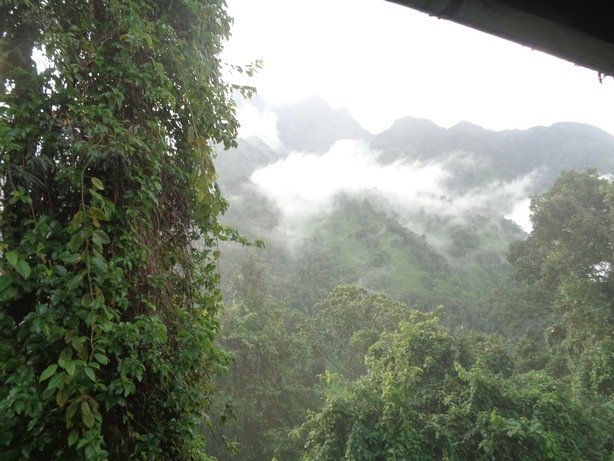
“Even in the dry season, the mountains create their own weather.”
Getting to Kasese
By Road
A scenic drive through Uganda’s countryside. The route via Fort Portal allows you to see tea plantations and the crater lakes.
- 6 – 7 Hours from Kampala
- Via Mubende & Fort Portal
By Air
The fastest option. Scheduled flights operate daily from Entebbe International Airport directly to Kasese Airstrip.
- 1 Hour Flight Time
- Aerolink Uganda
Common Questions
How difficult is the trek?
The Central Circuit and Margherita Peak treks are strenuous. You must be physically fit and comfortable hiking 6-8 hours a day in mud and altitude. No technical climbing skills are needed for the trek, but basic crampon/rope skills (taught on site) are used for the peak glacier.
Is there malaria in the mountains?
Mosquitoes are generally found below 2,000 meters. The base camp and Kasese town have malaria risk, so prophylactics are recommended. However, once you ascend past the first camp, the risk drops to near zero due to the cold altitude.
Can I charge my camera/phone?
There is no electricity in the mountain huts. You must bring portable power banks. Solar chargers can be hit-or-miss due to the frequent cloud cover. We recommend keeping batteries warm (inside your sleeping bag) to preserve charge.
Do I need a Visa?
Most visitors require a visa to enter Uganda. This is best applied for online (E-Visa) before arrival. Please check with your local embassy for the most up-to-date requirements for your nationality.
Is the water safe to drink?
Mountain streams are clear, but we recommend purification tablets or filtering bottles. Boiled water is always available at camps for tea, coffee, and refilling bottles.
What is the tipping policy?
Tipping is highly appreciated by the crew. A general guideline is $15-20 per day for the guide and $10 per day for porters, typically pooled and distributed at the end of the trek.
Can you accommodate dietary needs?
Absolutely. Our mountain cooks can prepare vegetarian, vegan, gluten-free, and lactose-free meals. Please inform us of any specific allergies when booking.
How do you handle altitude sickness?
We follow a strict “pole pole” (slowly slowly) pace to aid acclimatization. Guides monitor oxygen levels daily. If symptoms persist, our team is trained for immediate safe descent.