
The Coffee Experience
From Volcanic Soil to Cup
A journey through Mihunga village, where mountain mist meets the steady grind of heritage. Discover the deep, robust profile of Rwenzori Arabica.
Book Your VisitMihunga Chronicles
Cultivated in the cool mountain mist.
The air in Mihunga at six in the morning is damp. You can hear the Mubuku River from the village. It is a steady, heavy sound that follows you as you walk up the slopes toward the start of the Central Circuit.
Most of the coffee grows between 1,500 and 2,000 meters. It is not a sprawling commercial plantation. It is a scattered collection of trees tucked under the broad leaves of matooke plants. The shade is thick, and the air underneath the canopy feels noticeably cooler than in the open patches of sun. This slow maturation creates a denser, more flavorful bean.
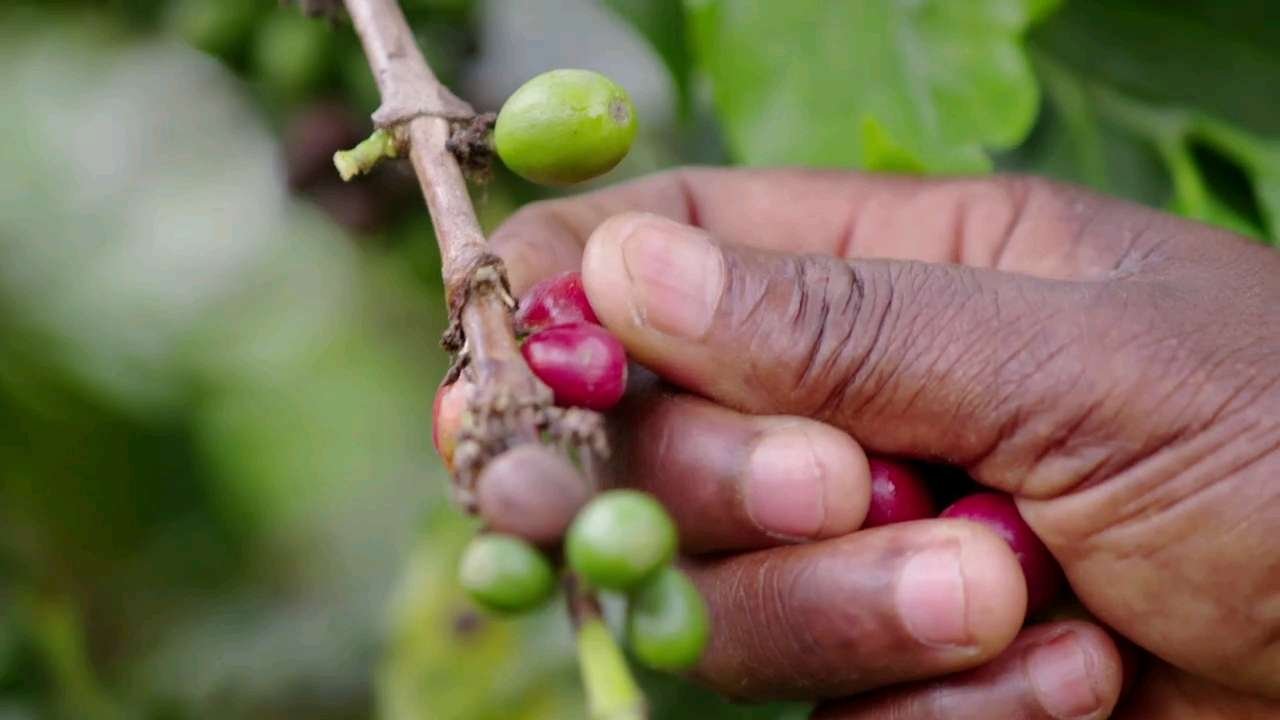
What Fuels the Bold
Not just beans; these are liquid chapters of heritage.
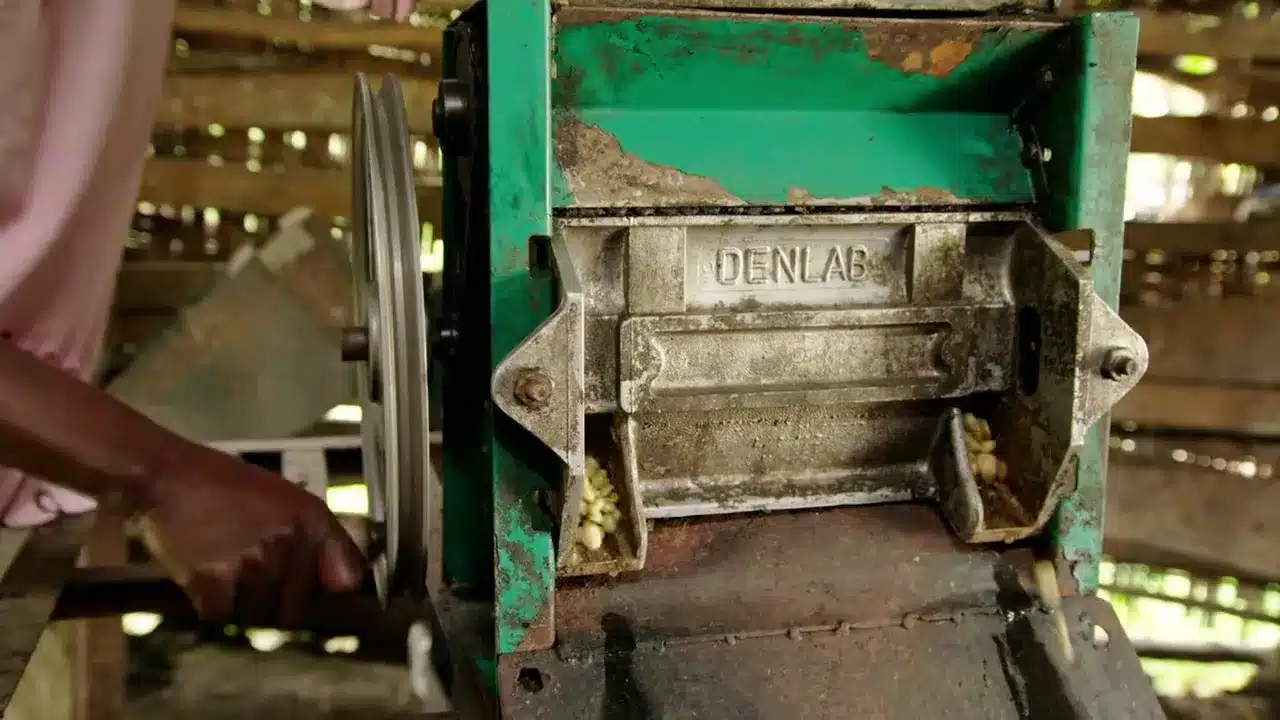
Pulping & Fermentation
A manual machine rings loud with rhythmic grinding. Red skins fly out one side; white beans fall into the bucket. They sit in water for twenty hours until the mucilage breaks down, creating a sharp scent of fermenting fruit.
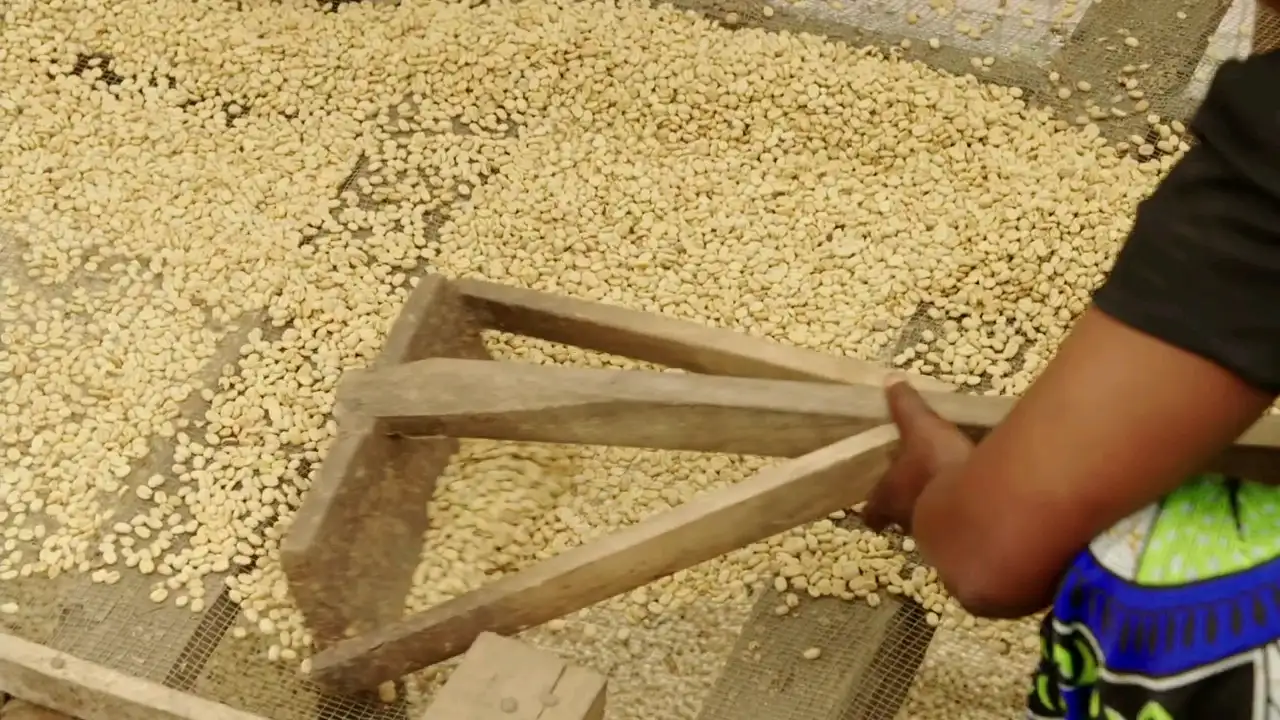
Washing & Sun Drying
Beans are washed in cold mountain water until they feel like small, clean pebbles. They are then spread on mesh beds. If rain rolls off the peaks, everyone runs to cover the parchment with plastic sheets to prevent rot.
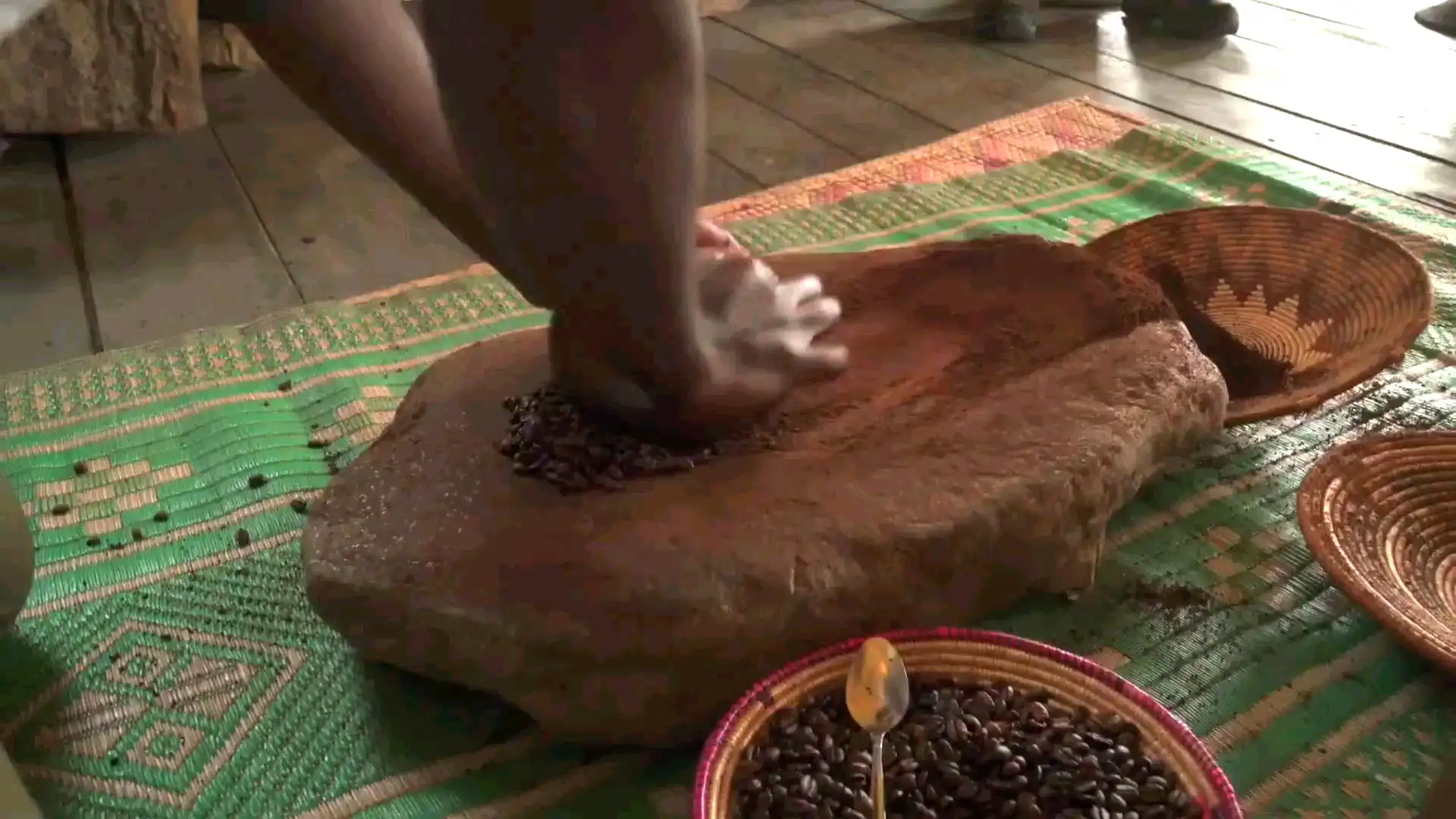
The Roasting Ritual
A heavy iron pot sits over three stones. The green beans go in, turning yellow, light brown, then a dark, oily mahogany. The roasted beans go into a large wooden mortar where a heavy pestle crushes them with a dull, thudding sound.
The Community
Economic reality in the foothills.
Economic Reality
In the villages near the trail, coffee is the difference between a house with a grass roof and one with iron sheets. It pays for school fees and for the small solar panels that provide light in the evenings.
Read the Full StoryStrategic Partnerships
We are looking to move past middlemen. We need partners for technical logistics: solar driers, better pulpers, and buyers who want to trade directly with the people who grow the crop.
Partner With Us