
Discover the Bakonzo People:
The Guardians of the Rwenzori Mountains
The Bakonzo (also known as the Mukonzo, Konzo, or Bakonjo) are a vibrant Bantu ethnic group native to the spectacular Rwenzori Mountains of southwest Uganda. Numbering over 850,000, these resilient people are the original guardians of the plains, foothills, and tropical mountain slopes that rise to altitudes of 2,200 meters.
A visit to the Rwenzori Mountains is incomplete without experiencing the rich cultural tapestry of the Bakonzo. From their incredibly unique naming conventions to their deep, historical connection with the land, understanding their heritage offers a profound look into the true heart of Uganda.
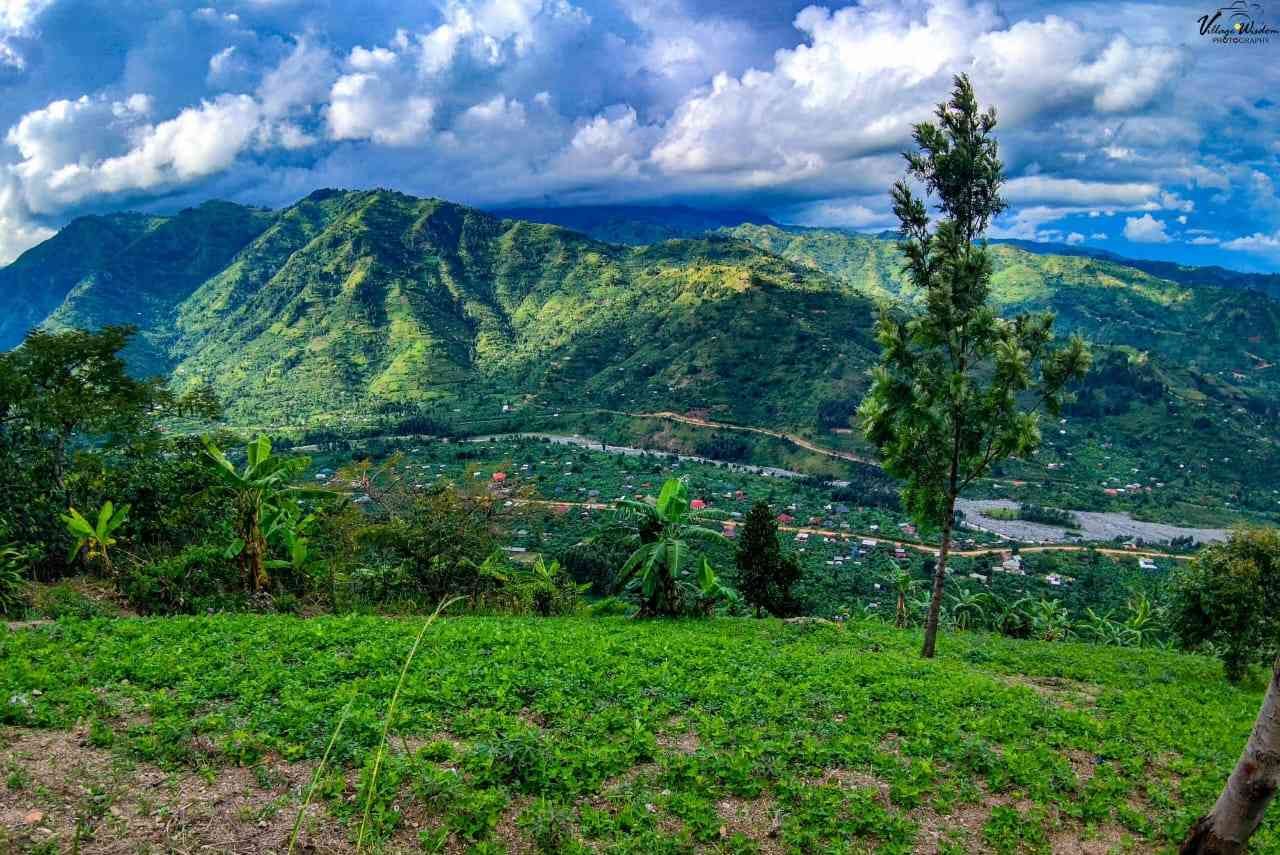
Geographical Roots and Governance
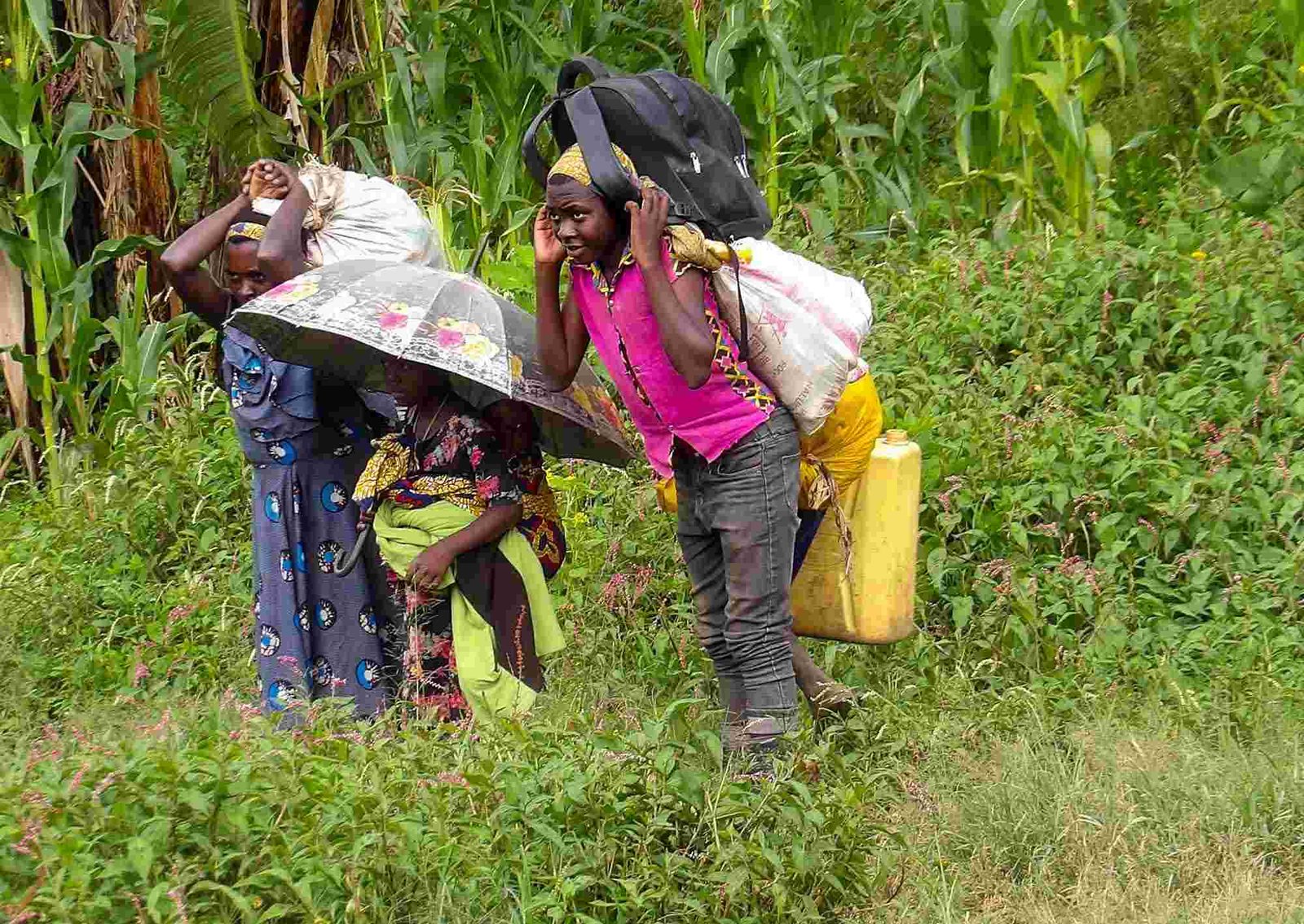
The Bakonzo thrive in the biodiverse, tropical environments of the Kasese, Bundibugyo, Bunyangabu, and Ntoroko districts. They are master agriculturalists, cultivating yams, beans, sweet potatoes, cassava, coffee, cocoa, and bananas, while simultaneously keeping goats, sheep, and poultry.
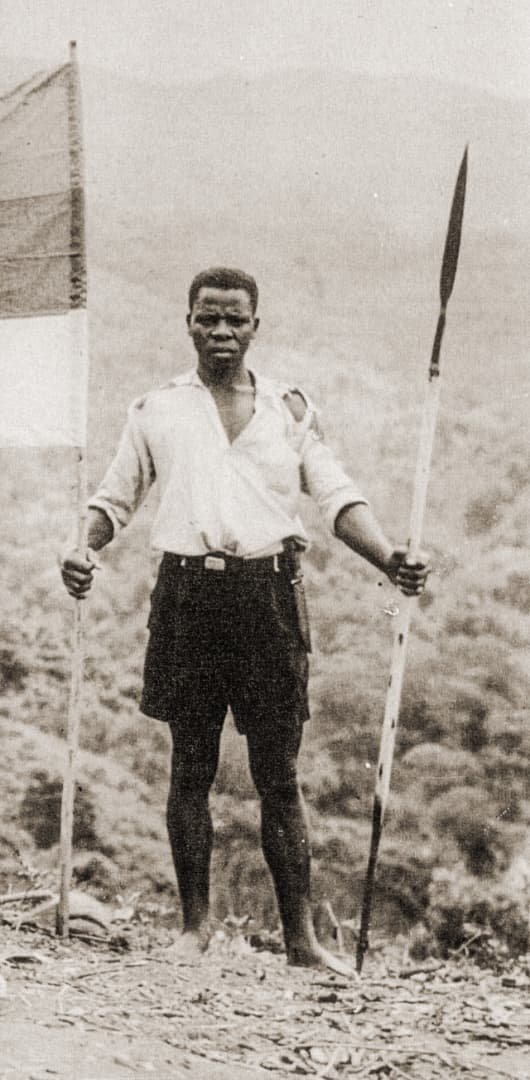
Historically, Bakonzo governance was highly decentralized, relying on wise councils of elders rather than a single king. However, during the colonial era, the Bakonzo and neighboring Baamba were strategically placed under the centralized Tooro Kingdom.
Feeling marginalized and treated as second-class citizens, the Bakonzo sparked a fierce resistance movement known as the Rwenzururu. What began as a political struggle for independence in the 1960s ultimately became the ultimate cultural rallying point for the Bakonzo. In 2008, the Ugandan government officially recognized the Rwenzururu Kingdom—making it Uganda’s first kingdom shared by two tribes, with King Charles Mumbere serving as a symbol of cultural unity today.
The Unique Naming System
The Bakonzo follow a strict, automatic naming system based entirely on the birth order of the children. This practice is unique in Uganda; a person’s name immediately reveals their exact position within the family hierarchy.
Male Names
| Order | Name |
|---|---|
| 1st Born | Baluku / Mumbere |
| 2nd Born | Bwambale |
| 3rd Born | Masereka |
| 4th Born | Kuule (Kule) |
| 5th Born | Thembo |
| 6th Born | Mbusa |
| 7th Born | Tsongo |
| 8th Born | Ndungu |
Female Names
| Order | Name |
|---|---|
| 1st Born | Masika / Musoki |
| 2nd Born | Biira |
| 3rd Born | Kabugho |
| 4th Born | Mbambu |
| 5th Born | Ithungu |
| 6th Born | Kyakimwa |
| 7th Born | Nziabake |
| 8th Born | Bulubasa |
Because a man may have multiple wives, he could have several sons named “Baluku,” as the naming follows the mother’s line of birth. If a family exceeds the standard male names, an eighth boy is given the harsh name Kitahutehina (“You do not have a name”). An extra girl might be named Sendaki (“What did you come for?”).
Not all names follow the standard birth order. If a child breaks a long streak of a specific gender, they are named Muhindo (meaning a change in sex). Circumstances of birth also dictate names: Bulemu for a child born during war, Kyamugagha for a Saturday birth, or Mubalami if the mother delivers while traveling.
The Bakonzo also have “regretful” names for a child born after a deceased sibling. Names like Bisiku (fibers) or Kiabu (dumping ground) are given out of mourning and fear. By giving the child a “hopeless” name, the family attempts to protect their own hearts.
Indigenous Rites of Passage
Erabania (Circumcision)
Among the Bakonzo, a male is simply not considered a man until he is circumcised. Unlike the neighboring Bagisu tribe—who celebrate their Imbalu circumcision with massive annual pomp and public fanfare—the Bakonzo treat circumcision as a quiet, absolute necessity.
Historically, all Bakonzo boys traveled to Bundibugyo for a ritual circumcision performed by Bamba tribesmen (a practice that ended around 1964). Today, it is done quietly in hospitals or by traveling traditional experts. An uncircumcised Bakonzo man is virtually unheard of; he would face intense social stigma.
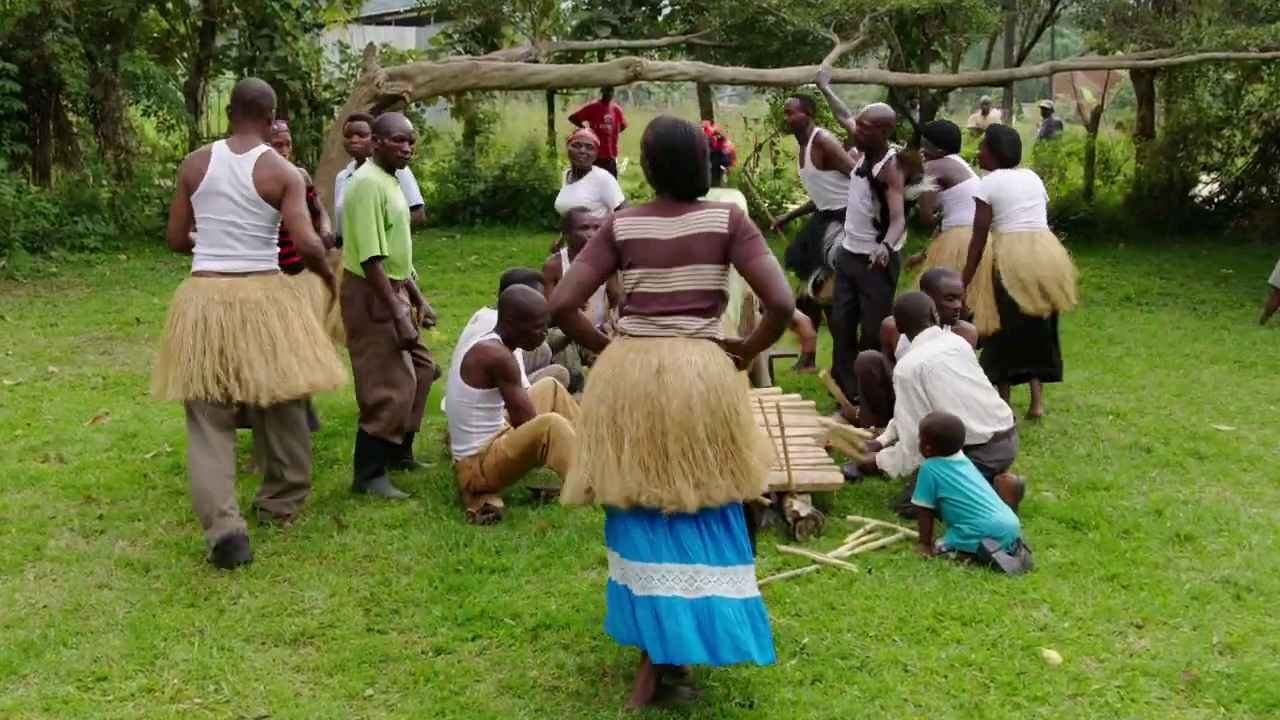
Erithahya (Marriage Traditions)
Before modernization, Bakonzo marriages were deeply strategic alliances forged by parents. When a baby girl was born, fathers of young sons would bring gifts. The girl’s parents carefully evaluated these gifts and family reputations to choose her future husband.
By age seven, a girl was often betrothed, and the groom’s family paid the Omukagha (bride price). There was no courtship for a man’s first wife; love and choice were luxuries reserved for wealthy men who could afford second wives. Today, while childhood betrothals have faded, marriage remains a vital way to strengthen community alliances.
The Ritual of Twins (Olhuhasa)
Childbirth involved strict taboos, but nothing required more ritual than the birth of twins (Abahasa). Twins were seen as highly delicate. To ensure they survived, a massive public ritual called Olhuhasa was held.
A special hut was built, and amidst massive public jubilation, the mother of the twins was required to be intimate with her husband’s oldest nephew. The husband would celebrate this, as it was culturally believed to be the only way to secure the twins’ survival. Furthermore, if the twins cried excessively, it was considered a sign that one of the parents had committed adultery!
Experience the Rwenzori Region
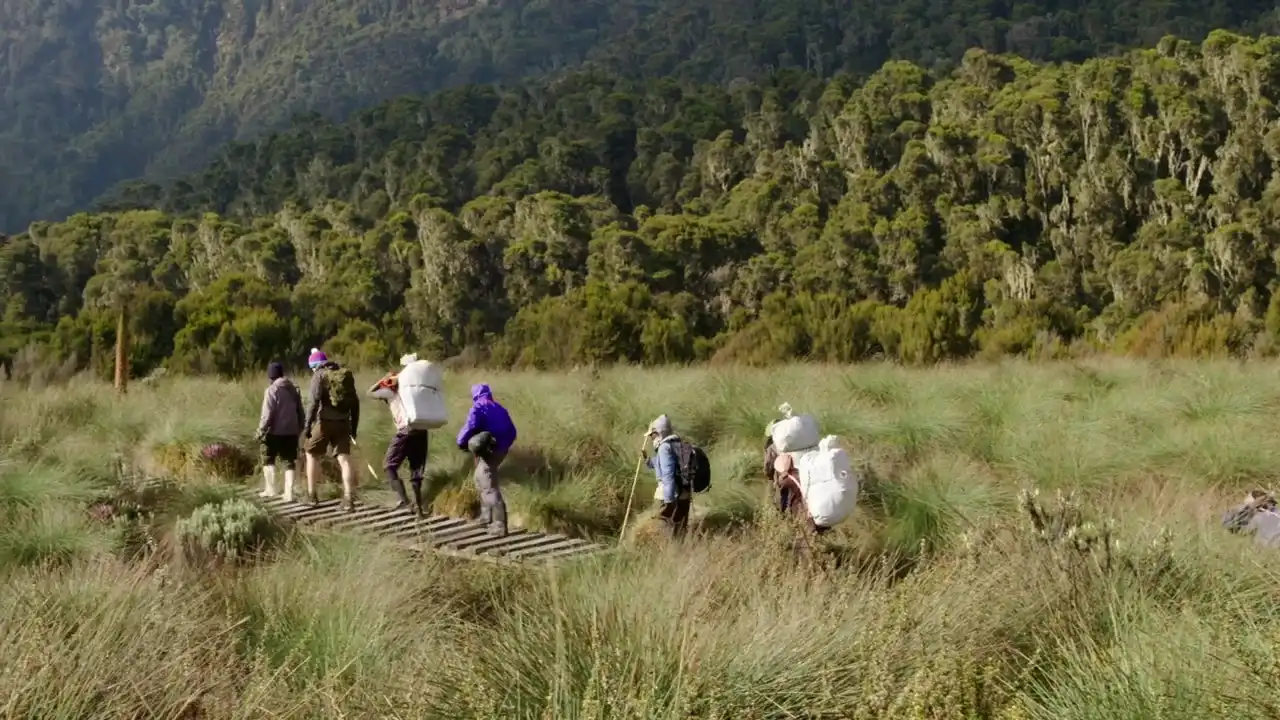
Are you ready to explore the lush trails of the Rwenzori Mountains and connect with the incredible heritage of the Bakonzo people? Whether you conquer the iconic Central Circuit or experience a cultural village tour, Rwenzori Hantravel Safaris provides an unforgettable adventure.
Plan Your Trek
Thanks for this great work. I advise to use the latest information from UBOS, bakonzo population is 1,104,462.
Thank you